
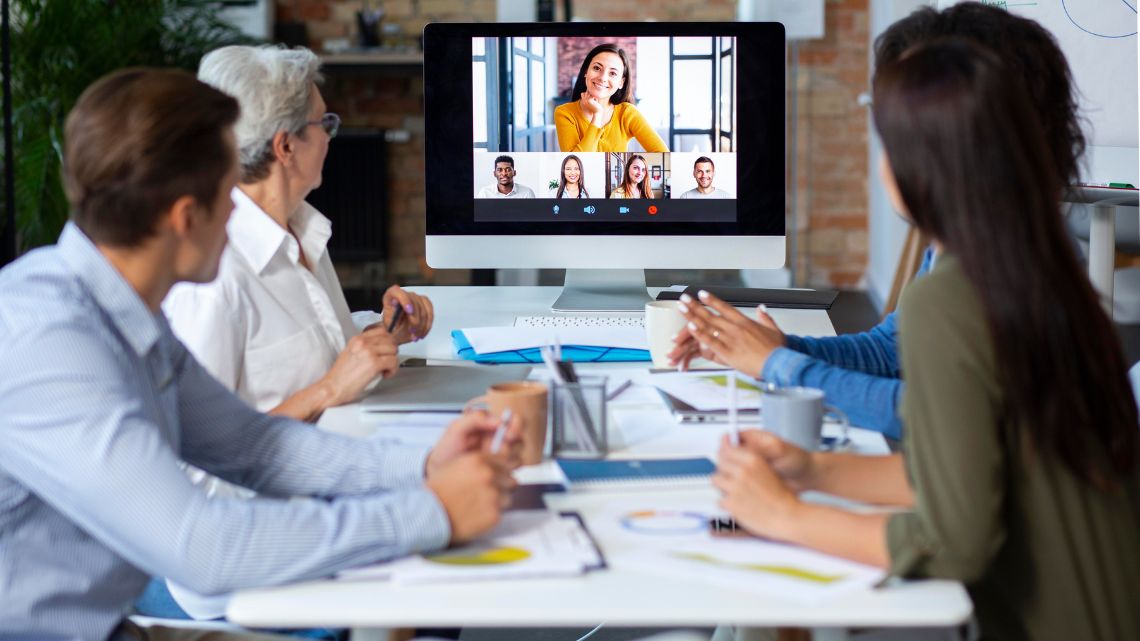
Managing remote teams is the standard practice in companies globally, therefore has created both challenges and some incredible opportunities for managers. Remote team management leads to increased productivity, a more balanced work-life for employees also helps achieve organizational success. Knowing remote teams can improve your performance and lead to successful business growth.
This blog explains in detail what remote team management is, its challenges, and provides best practices for managing a remote team.
What is Remote Team Management?
Remote team management is the act of managing the actions and outcomes of a team working remotely. They are working groups of professionals who collaborate on a project while communicating online and using virtual tools. Managing a remote team also includes several advantages and has its own unique obstacles that separate it from managing teams in a typical environment.
What are the Challenges of Managing Teams Remotely?
- Communication Barriers
Remote teams may readily experience and be faced with misinterpretation, delays, or the absence of communication, particularly in digital or remote communication with their team members. Managers need to engage in more intensive communication effectively and often with their team members, determining objectives and expected outcomes for their remote team. It builds team cohesion, and members are not isolated in remote work.
- Lack of Trust
The main challenge to managing remote employees is the act of trust management. The lack of trust management can further exacerbate miscommunication, leading to checking and ironic interruptions with the work that’s being accomplished. If employees don’t feel trusted, their involvement and interest decrease, thus leading to employee burnout.
- Personal distractions
Depending on where an employee is working remotely from, maintaining focus can be difficult, since a remote location has fewer bounds to it compared to an office. An employee can more easily get carried away with personal work. While this can be a distraction for employees, not all will find these distractions problematic
- Community and belonging
Leadership management faces difficulty in creating the same feelings of community and belonging that can exist in workplaces. Caring for distributed teams means knowing what to do about employees’ isolation issues. During managing employees remotely, it’s likely that they are not going to participate and engage, so adopt plans to resolve it.
- Access to tools and technology
Remote employees may not chance to get proper IT help on how to log into the latest piece of technology. It can also be easy for remote employees to simply not use, or drop technology and tools that they cannot figure out how to use. This led them to use a workaround, but you run the risk that it may not be safe and that it could compromise your company’s technology security.
- Employee Engagement and Motivation
Remote environments can also lead to disengaged interactions or lower rates of morale since a work item exists remotely without any in-person recognition of interpersonal interactions of shared work engagement with coworkers.
Best practices for remote team management
- Define goals
Setting meaningful expectations for your team members to know their roles in the job and how they may achieve them. When you create goals for your employees, provide proper direction and a target. This can help ensure everyone will strive to work toward the same goals.
- Delegate responsibilities
A good manager will utilize the resources available to complete the task. Good leadership includes successfully delegating tasks to help accomplish more, while making their team more efficient. This also allows you to better assess your reports and to possibly show skills.
- The right digital tools and technologies
Employees can manage tasks assigned to each team member, deadlines, and have daily virtual meetings. Create a virtual hub for all of your technology, tools that is easy for employees to access. Provide opportunities for team members to ask questions and communicate.
- Performance Reviews
Consistent performance checks regularly will allow organizations to set clear expectations and tasks that teams are working on. Also, know kwy areas of improvement regularly. In addition, performance reviews allow for teams and managers to remain in sync.
- Trust your team
While it’s important to stay engaged with the team member to get required outcomes, one also doesn’t want to engender a lack of confidence. Managers can achieve this by checking in on team members often. Suppliers and vendors are both professionals, often with years of experience and training. Have faith in their ability to do a job, and it boosts productivity.
- Create a safe space
Another element of remote team building includes a range of personalities. A manager should create a space that offers each team member opportunities, where they are heard and respected. Also, provide regular feedback to improve overall remote team performance.
Visit Entrepreneur Gulf for more blogs.
Conclusion
Challenges in remote team management are common, and managing them needs strategic approaches. This involves looking at how to be creative, considering the right tools and strategies, then combining your thinking with best practice. This helps in understanding remote employees’ concerns and catering to them. Hence, given tips are more effective in efficient remote team management and increase overall performance.
Connect with Us:
LinkedIn: https://www.linkedin.com/company/entrepreneur-gulf/
Twitter X: https://x.com/entpre_gulf
Instagram: https://www.instagram.com/entrepreneurgulf/