
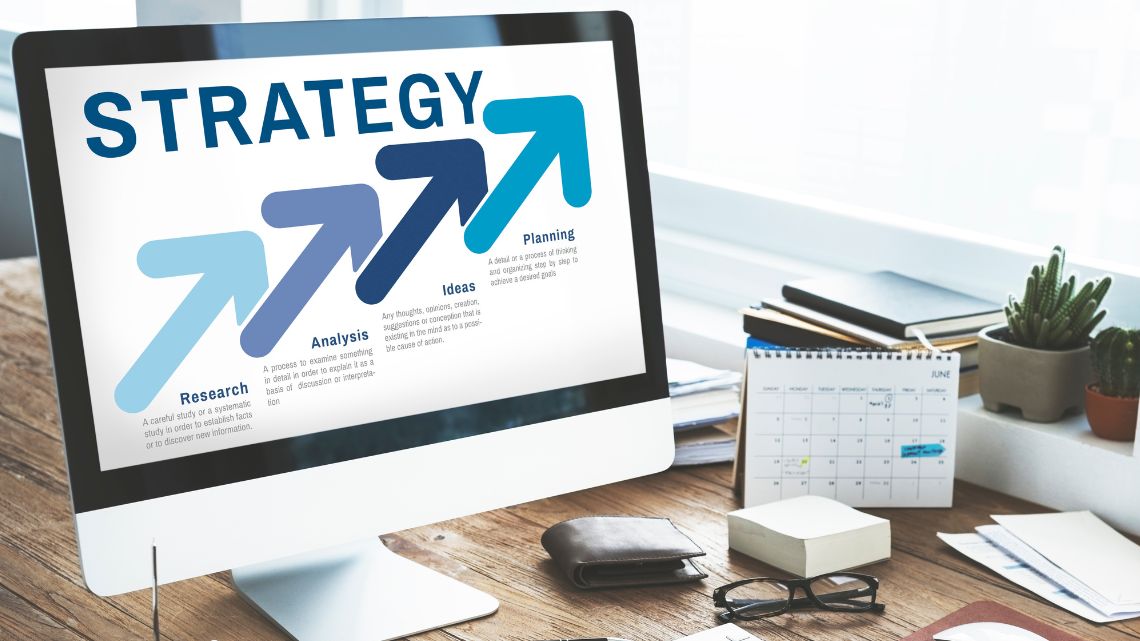
SMEs in the Gulf are increasingly relying on strategic management as it is a strong competency to sustain performance in a transformative and evolving landscape like the Gulf. Due to economic diversification, cultural nuances and regulatory changes, SMEs often need to face challenges in scaling and expansion. The root cause of these critical roadblocks are extending beyond product quality gaps, but the lack of clarity centers around direction, misaligned priorities and inconsistent strategic execution. The insights in this guide is designed to provide SMEs with a practical route map for outlining how to establish strategic management principles that are specific to Gulf entrepreneurs in order to develop a clear and resilient framework for success, while concurrently building a sustainable model for future development and growth.
Foundations of Strategic Management for Gulf SMEs
- Strategic Direction and Vision
A strong and forward looking vision that aligns gulfs national ambition and market realities is a primary pillar of strategic management. SMEs should outline a mission that reflects the specific objectives such as sector specific opportunities, cultural values of stewardship and government backed innovation. Articulating a clear direction is important to enable teams to remain consistent with the company’s long term goals as well as the day-to-day priorities.
- Market Positioning Within GCC Dynamics
In a diversity-rich ecosystem like the Gulf landscape, SMEs need to focus on customer expectations, regulatory nuances, and the current competitive dynamics. The strategic market stance differs for each region in the GCC—the region of UAE is established for innovation movements, while Saudi Arabia aims at enterprise-level scaling and operational maturity. Awareness of such differentiating factors will support Gulf based businesses strategically position themselves beyond faded assumptions.
- Building a Sustainable Competitive Advantage
Establishing a lasting competitive edge in business demands significant commitments in key business areas including:
- Operational efficiency
- Digital maturity
- Cultural and regulatory insight
- Local market trust
- Speed of execution
Investing in building a strong foundation in these areas will help companies of any scale advance into a stronger competitive posture.
Strategy Formulation Process
- Analyzing the business environment
Diagnosis forms the foundation for a business strategy. When Developing business strategies, Gulf;s small and medium sized enterprises (SMEs) should focus on:
- Analysis Of Potential Market Demand Trends
- Updates Of Regulatory Compliance
- Tracking Of Competitor Activity
- Identification Of Internal Capabilities And Constraints; And
- Talent Gap Analysis
Through environmental analysis, SMEs can determine future opportunities early in emerging sectors of the Gulf Region (Fintech, E-commerce Enablement, Creative Economy, Logistic Technology, or Sustainability).
- Setting Strategic Priorities
Gulf-Based Small To Medium Sized Enterprises (SME’s) have a tendency to become distracted by too many opportunities, resulting in diluted focus. Best practices are, set strategic priorities that support revenue growth such as operational improvement plans, digital enablement, and business management strategies.
- Designing an Executable Plan
In order to successfully execute on a strategic plan, the organisation must define specific objectives. The action plan should highlight strategic direction into achievable goals (KPI’s), milestones, budgetary constraints, assigned owners and quarterly directions. The integration of simple frameworks such as OKR’s and quarterly execution cycles with dashboard support can maintain the strategic planning process on track.
Strategy Execution Excellence for SMEs: How Gulf Businesses Achieve Consistent Results
For small and medium enterprises operating in the GCC, accomplishing strategic discipline requires a balanced approach resonating the national visions and local cultural dynamics.
- Building Execution Culture
Align entrepreneurship management objectives with cultural values, as it helps foster meaningful relationships, attract trust and loyal customers. Exclusion culture can be developed through establishing a clear operational routine, including periodic performance meetings, strategic resets and continuous reviews. Strategic leaders are not rigid controllers, they evolve with accountability and team management through empowerment.
- Performance Tracking and Governance
Successful management is a sum of continuous performance tracking and strategic improvement. Prioritizing governance by setting real tim KPI dashboards, clear reporting channels, advisory boards and establishing a continuous review loop, Gulf SMEs can build visibility, operational alignment and.
- Workforce and Leadership Development
In strategic management, leadership maturity plays a significant role in closing the critical talent shortages. Therefore, providing necessary training for leaders, allocating performance management systems, and digital avenues for learning and developing leadership management capabilities are instrumental. The ability of a leader to effectively communicate, make informed decisions and a strong strategic rigor are the qualities that define the quality of execution.
Strategic Risk Management for Small and Medium Enterprises
- Operational Risks
Small and Medium Enterprises often confront hurdles related to process discontinuity, supply chain gaps and reliance on a small number of employee strength. The future of an SME’s ability to operate is dependent on documentation, process clarity, vendor diversification and the creation of a business continuity plan.
- Market and Financial Risks
As the market cycles affect the financial management security within the Gulf region, heavy customer reliance can cause disruptions for SMEs. Therefore, enterprises need to demonstrate a strong strategic framework for cash flow management, revenue diversification and developing financial reserves.
- Technological and Cybersecurity Risks
Due to the digital evolutions across the globe, cyber threats gained a significant rise into unprecedented levels. It is essential that SMEs acknowledge and prioritize implementing policy controls, creating a secure framework for protecting sensitive information, auditing systems and ensuring well-defined governance structure.
Conclusion
Strategic management is a fundamental driver that helps SMEs create a scalable and growth aligned business in a highly competitive business landscape like Gulf arena. In the context of markets changing more quickly than business models, establishing a clear direction, structured operational frameworks, implementation with excellence, enables SMEs to manage risk substantially. Over the next decade, the economic transformation within the Gulf region will be driven by entrepreneurs who will execute their strategies clearly, consistently, and with a determined vision.
For more articles, visit Entrepreneur Gulf.
Connect with Us:
LinkedIn: https://www.linkedin.com/company/entrepreneur-gulf/
Twitter X: https://x.com/entpre_gulf
Instagram: https://www.instagram.com/entrepreneurgulf/